When choosing Venetian blinds, most people start with colour or slat width. Material usually comes later, once samples are in hand and the room itself guides the decision. That’s where questions tend to surface.
Bamboo, aluminium, and wood venetian blinds all show up regularly in New Zealand homes, but they behave quite differently once they’re installed and used day to day. Each material brings its own strengths, and each comes with trade-offs that only become obvious over time.
From working in homes across the country with Harrisons Curtains, this is less about finding the “best” option and more about choosing the right material for the right room. This guide breaks down how bamboo, aluminium, and wood venetian blinds compare in everyday use, not just on a sample board. There are a lot of things to consider when choosing blind materials, so let's look at the pros and cons of each.
Why Blind Material Matters More Than You Expect
Venetian blinds are handled constantly. Slats are tilted for glare control in the morning, adjusted again as the light shifts, and closed at night for privacy. Over time, the material affects how smoothly the blinds operate, how they cope with wear and tear, and how much attention they need to stay pristine.
New Zealand conditions add another layer. Moisture in kitchens and bathrooms, coastal air, strong afternoon sun, and seasonal temperature changes all influence how different materials age. What works well in a quiet bedroom may not last long in a busy kitchen or living space. Consider each room’s usage before installing the same blinds for every single room. In those sunnier rooms in the home, you may need a more robust solution for extra coverage.
Materials age differently in New Zealand because of moisture in bathrooms and kitchens, coastal air, and the strong afternoon sun. You don't always have to install the same blinds in every single room. Think about the use of each room before installing the same blinds in every single room. For extra protection and coverage in those sunny rooms, you might need a more robust solution.
Getting it right early will save you second-guessing later on. Some blinds soften a room and blend in. Others create sharper lines and a more structured look. Venetian blinds can be tilted for directional light, but this function isn't always desirable, since it might glare on laptops. It's a design decision, but it can become a practical reality in rooms like offices. You might want to consider how your lifestyle interacts with both your habits and the layout of each room, especially in bedrooms.
Bamboo Venetian Blinds: Warmth and Texture
Bamboo Venetian blinds are often chosen for how they sit within a room rather than for maximum durability. They add warmth, texture, and a relaxed feel, which works well in living rooms, bedrooms, and home offices.
Where bamboo works best:
- Dry, well-ventilated spaces
- Rooms where blinds aren’t constantly adjusted
- Homes looking for a more natural, softer finish
Bamboo is commonly associated with eco-friendly blinds because it’s a renewable material and has a natural look that suits many interiors. While this is an attractive incentive to choose bamboo, remember that the right conditions are vital to achieve optimum results. In areas with frequent steam or moisture, it can show wear and tear much sooner than expected. So consider other options before installing in your bathroom, especially if there is no shower dome.
This is why bamboo is often recommended selectively rather than used throughout the entire home. It’s worth being informed about how the unique uses of each room inform the materials.
Wood Venetian Blinds: Classic and Solid
Wood Venetian blinds sit between bamboo and aluminium in terms of performance and appearance. They offer a more traditional, substantial look and tend to suit formal living spaces, dining rooms, and bedrooms where consistency and visual weight matter.
Where wood works best:
- Living and dining areas
- Bedrooms where warmth and insulation are valued
- Homes aiming for a classic or premium interior look
Wood Venetians generally handle regular use better than bamboo, but like any timber product, they don’t love moisture. Kitchens, bathrooms, and laundries are usually not ideal environments for wood blinds unless ventilation is excellent.
Wood blinds often appeal to homeowners who want something timeless rather than trend-driven. So if you are looking for that classic look, try wood venetian blinds.
Aluminium Venetian Blinds: Practical and Reliable
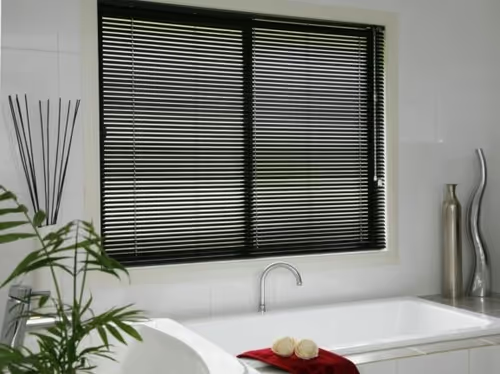
Aluminium Venetian blinds earn their place through practicality. These blinds cope well with moisture, are easy to clean, and hold their shape even in demanding conditions.
Where aluminium works best:
- Kitchens, bathrooms, and laundries
- High-use areas where blinds are adjusted often
- Rooms with strong sunlight or close neighbours
Aluminium offers precise light and privacy control, which makes it a reliable option for functional spaces. The trade-off is visual softness. Aluminium creates a cleaner, more structured look, which can feel sharp in softer interiors if not balanced with other textures.
During consultations, this is often addressed by pairing aluminium blinds with warmer furnishings or finishes elsewhere in the room.
Bamboo vs Aluminium vs Wood in Everyday Living
Once the focus shifts from appearance to use, the decision usually becomes clearer.
- Bamboo suits spaces where warmth and atmosphere matter most
- Wood works well in rooms that need visual weight and long-term stability
- Aluminium performs best where moisture, heat, or frequent adjustment is part of daily life
Many homes use a mix of materials. Bamboo or wood in bedrooms and living areas, aluminium in kitchens and bathrooms. This room-by-room approach usually feels more natural than forcing one material everywhere. Spend some time understanding how each room is used first. Once you can distinguish your morning sun room from your private study, select your materials based on this assessment and what they each require.
Sustainability Without the Sales Pitch
Sustainability matters to many homeowners, but it’s rarely straightforward.

Bamboo is renewable and often linked with eco-friendly blinds, though finishes and processing still play a role. Wood is durable and long-lasting when used in suitable spaces. Aluminium takes more energy to produce, but it’s fully recyclable and often lasts decades.
For most households, sustainability sits alongside practicality, longevity, and how well the blinds suit each room. All materials discussed have varying layers of sustainability. It’s your choice as to how sustainable you want to go, and of course, this is a personal decision.
What Homeowners Say After Installation
Feedback often reflects how well those early material decisions were made.
“We are very pleased with our curtains from Harrisons Curtains & Blinds Auckland. The whole process from selection to installation was extremely friendly while also professional.”
– Mike, Google Review
“We didn’t really know what we wanted, but the suggestions made during the consultation helped us choose something we’re very happy with.”
– Greg and Trudi Ashby, Google Review
Choosing Blinds That Still Feel Right Years Later
Choosing between bamboo, aluminium, and wood venetian blinds doesn’t need to feel technical. It can be an intuitive approach when you think about how each room is used daily. Also consider how often blinds are adjusted, and what conditions they face. These considerations can help guide you in a clear direction.
For many households, talking these details through with Harrisons Curtains removes guesswork early. When blinds are chosen with real living conditions in mind and installed with care, they tend to settle into the home quietly and do their job without drawing attention. Blinds should enhance a room and never detract from the interior design or layout. You can create a statement with your blinds materials, or opt for blending for a more natural effect. It’s totally up to you and your style of home.
That’s often the difference between blinds that look good on installation day and blinds that still feel right years later.