
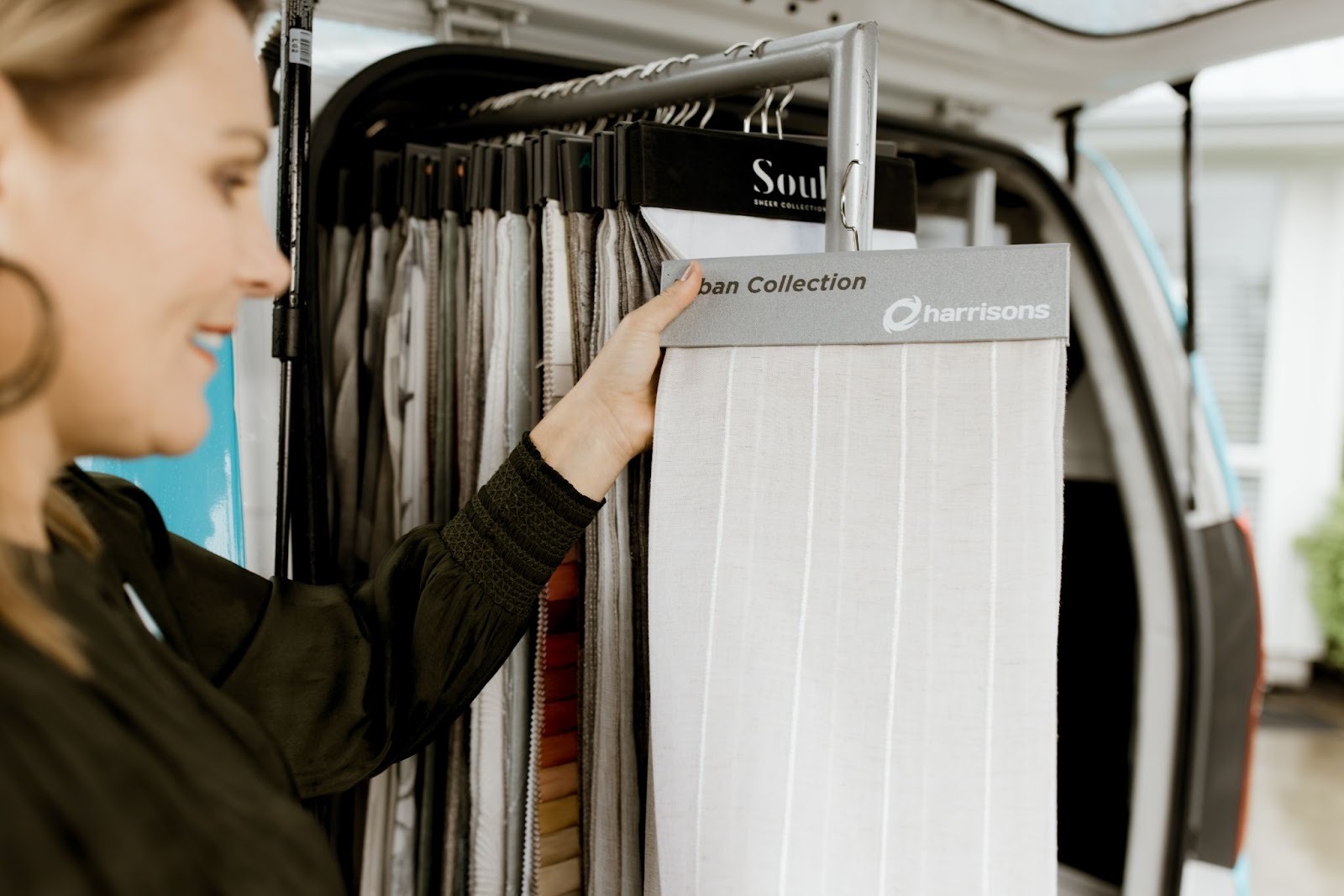
When people start looking into motorised indoor blinds price, they’re usually trying to get a rough sense of how much automation adds to the overall cost, rather than expecting one fixed number. Indoor blinds are made to fit each window, and once size, fabric, and control type come into play, pricing tends to sit within a range rather than a single figure.
Across many homes, Harrisons Curtains & Blinds finds that cost conversations often begin with how the space is used day to day. A bedroom that needs blockout for sleep, a living room with large windows facing the sun, or a set of blinds that are adjusted multiple times a day will all shape the final setup slightly differently. Those small, practical differences tend to influence pricing more than the category of blind alone.
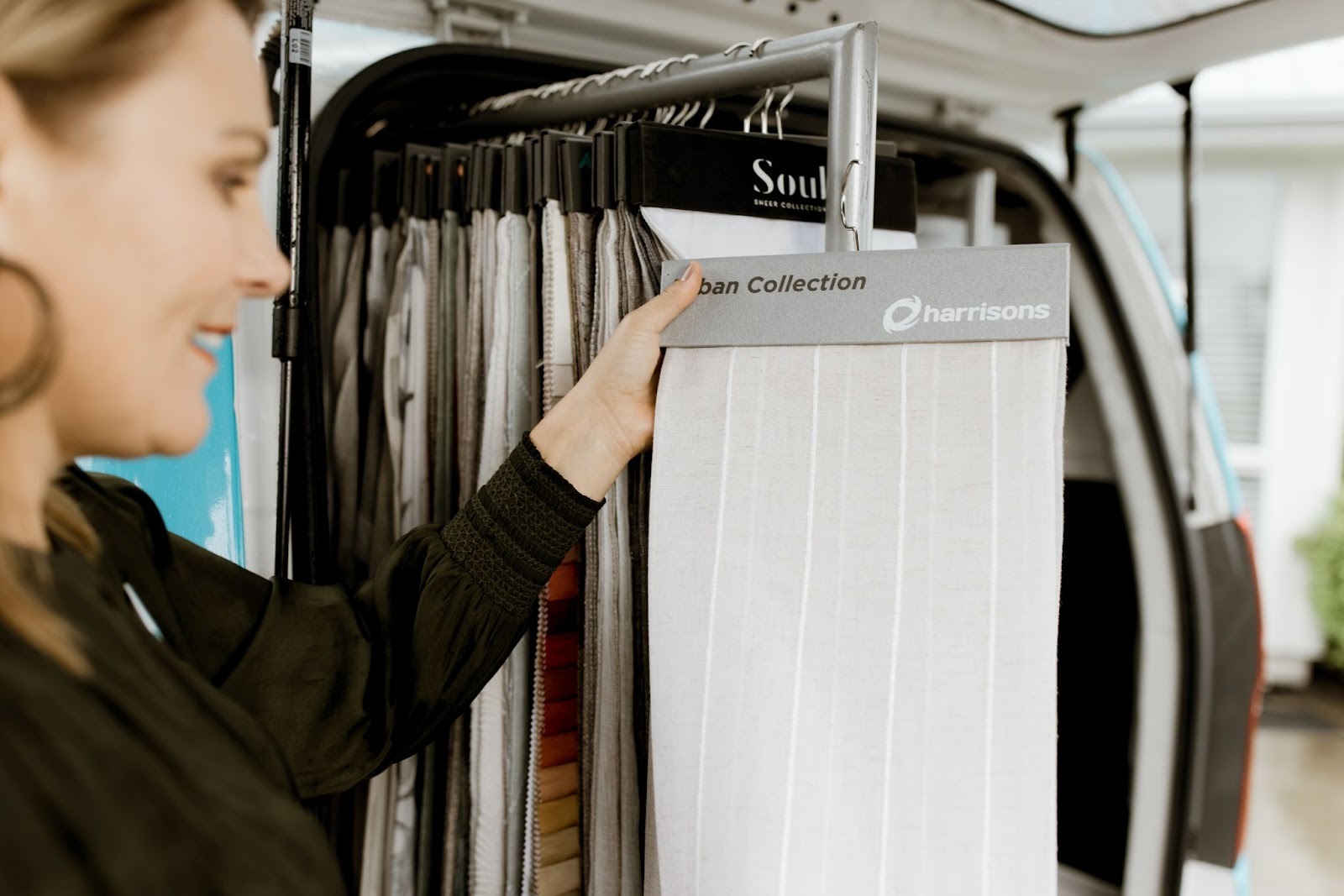
A Clear Cost Breakdown
It helps to separate the blind itself from the motorisation, as both parts contribute differently to the final price.
Manual indoor blinds (installed)
$250 – $900 per blind
This usually includes the blind, fabric, fittings, and installation under standard conditions. Smaller windows with light-filtering fabrics tend to sit at the lower end, while wider openings or heavier blockout materials increase both material and installation effort. For homeowners comparing interior blinds cost, this is often the starting point.
Motorisation add-on
$300 – $800 per blind
Motorisation typically covers the motor unit, remote control, and setup. Battery-operated motors are often simpler to install because they don’t require wiring, although they may need charging or replacement over time. Hardwired systems can take a bit more planning upfront, but remove the need for ongoing battery management.
Fully motorised indoor blinds (installed)
$600 – $1,800+ per blind
When combined, most indoor setups fall within this range. Larger windows, grouped blinds operating together, or heavier fabrics can push costs higher because stronger motors and additional setup may be required.
In homes with multiple blinds across a living area or open-plan space, the total project can move beyond $2,000–$4,000+. That variation usually reflects window size and layout rather than just the number of blinds being installed.
These figures reflect what tends to appear across NZ suppliers once real measurements and conditions are taken into account. They’re not fixed price lists, but they give a practical reference point.
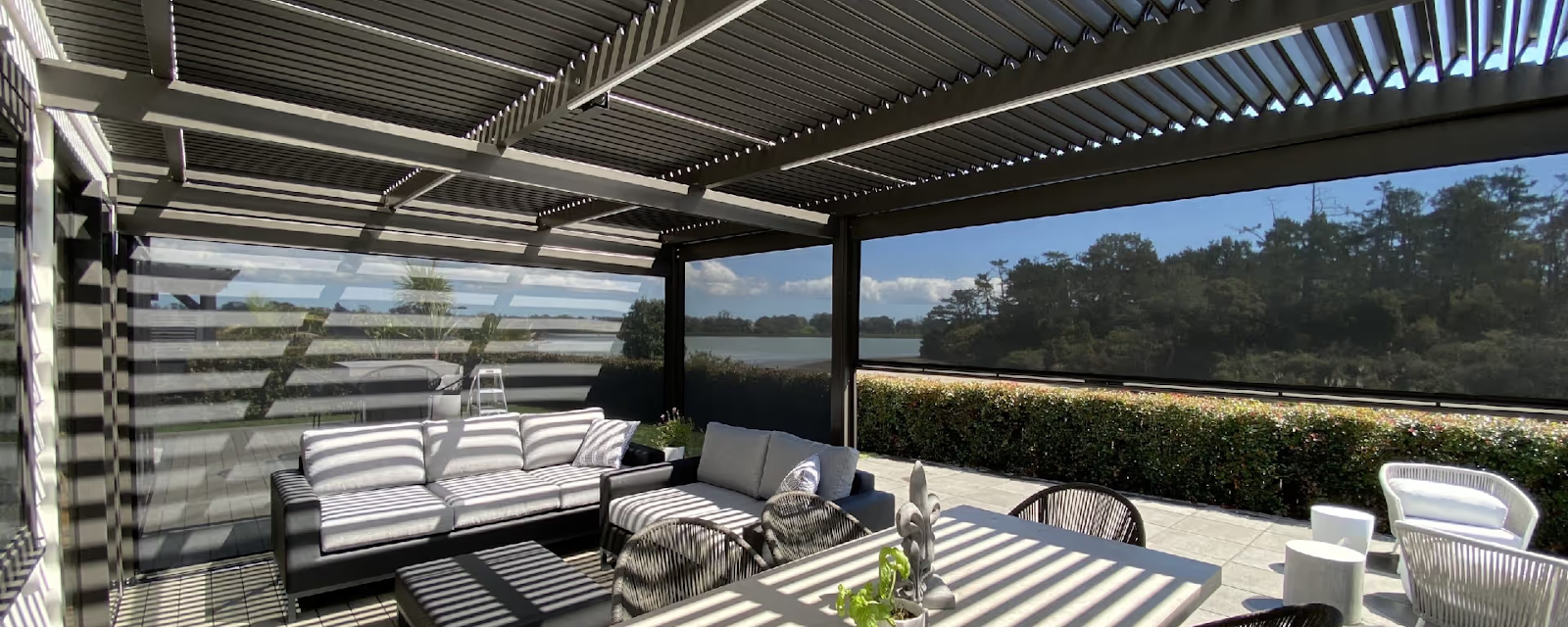
What Actually Drives the Cost
The final motorised indoor blinds price often comes down to a few practical details that only become clear once the space is assessed properly.
Window size is usually the first factor. Wider blinds need more material and often require stronger motors to keep movement steady. Fabric choice also plays a part. Light-filtering materials behave differently from blockout fabrics, and that can influence both the blind construction and how the motor performs over time.
The number of blinds in a room can shift the overall project cost more than expected. A single large window might be manageable on its own, but multiple blinds operating together can require coordinated controls or grouped systems.
Access to power is another detail that sits quietly in the background. In some homes, wiring is straightforward. In others, it needs a bit more planning, which can affect installation time.
For homeowners browsing roller blinds or venetian blinds, these differences don’t always stand out at first glance, but they tend to shape the final quote once everything is measured and considered together.
Motor Type and Setup Considerations
Motor choice often feels like a small decision early on, but it can influence both installation and long-term use.
Battery-operated motors are commonly used in spaces where running new wiring would be difficult or disruptive. They keep installation simpler, particularly in finished homes, although they rely on occasional charging or replacement.
Hardwired motors usually require a bit more preparation at the start. Power access needs to be planned, and installation may take slightly longer. Over time, though, they tend to feel more consistent since there’s no need to manage batteries.
Both options are widely used across motorised roller blinds NZ setups, and the better choice usually depends on how the room is laid out rather than simply the upfront cost.
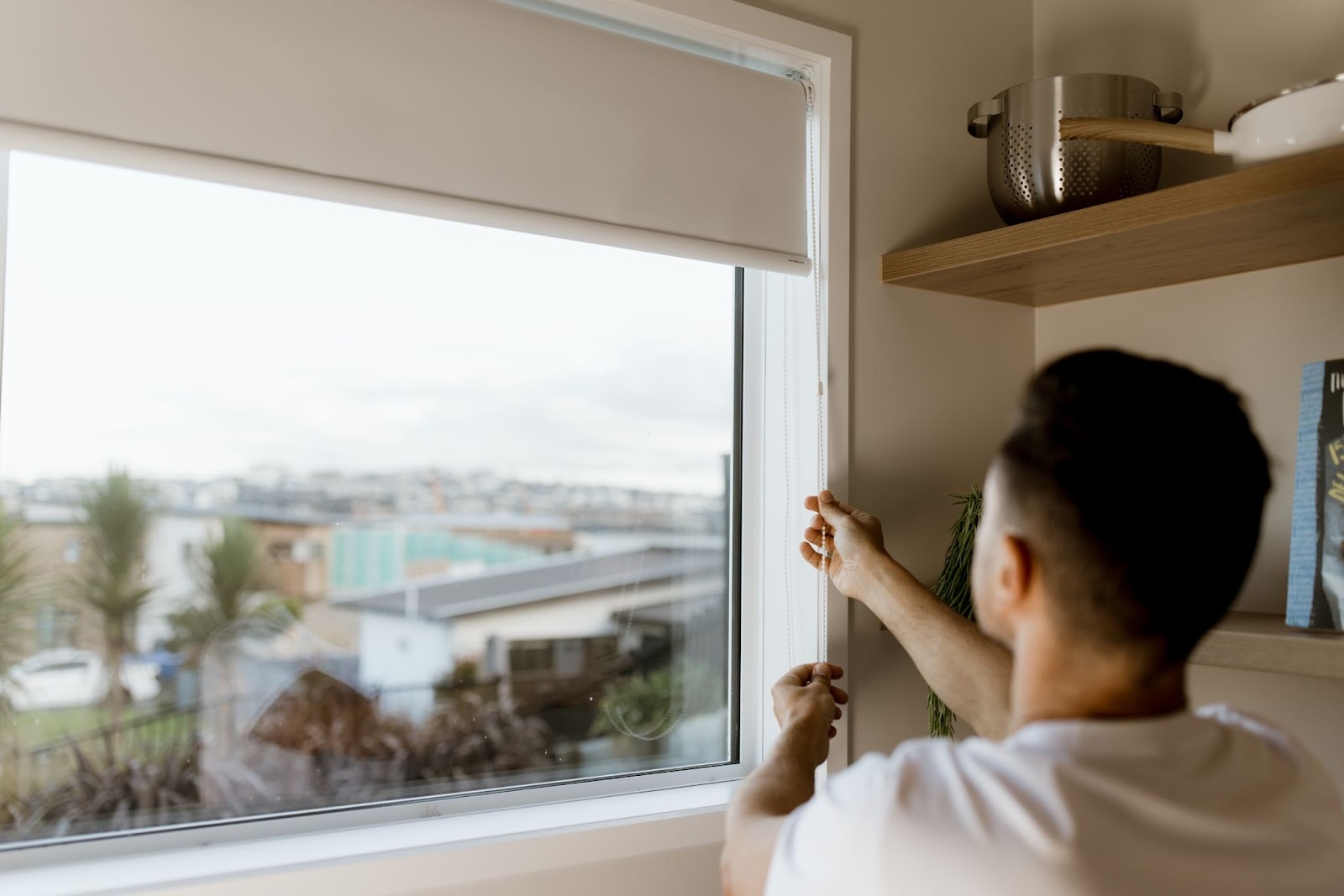
Where Motorisation Makes Sense Indoors
In rooms where blinds are adjusted regularly, the difference becomes noticeable over time. Large living areas with wide windows often see blinds moving throughout the day as light changes. At first, manual operation might feel straightforward, but over weeks and months, it can start to feel repetitive.
Motorisation tends to suit those spaces because it keeps movement smooth and consistent, particularly when several blinds need to be adjusted together. Bedrooms are another common area, especially where blockout blinds are used daily.
In contrast, smaller rooms or windows that are rarely adjusted may not see the same benefit. If a blind is only used occasionally, automation doesn’t always change the experience as much.
Often, it comes down to how frequently the blinds are used rather than the size of the home itself.
Why Pricing Is Usually Quoted
Indoor blinds are measured to fit each window precisely, and installation conditions can vary from one home to another. Window recess depth, mounting surfaces, fabric selection, and motor setup all influence the final outcome.
Because of that, fixed pricing rarely captures the full picture. A free in-home consultation allows those details to be assessed properly so the quote reflects the actual space rather than a general estimate.
Final Thoughts on Motorised Indoor Blinds Price
There isn’t a single answer to motorised indoor blinds price, but in most homes automation adds a few hundred dollars per blind rather than completely changing the overall project cost. Once window sizes, fabric choices, and motor setup are clear, the pricing structure becomes easier to understand.
That practical approach is usually how Harrisons Curtains & Blinds works through these decisions, starting with how each room is used and then matching the setup to suit, rather than treating motorisation as a one-size upgrade across the home.


